
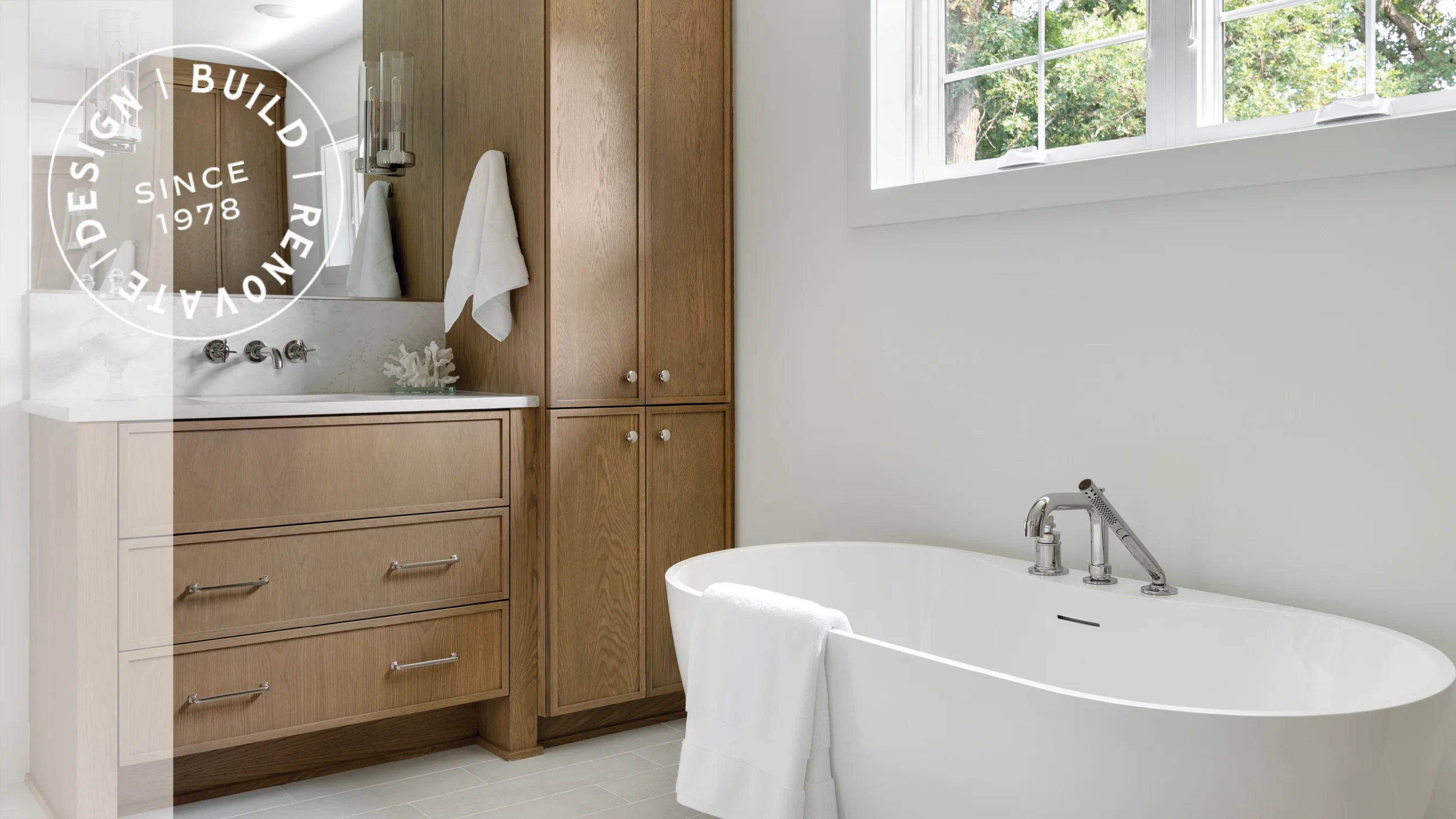
Something has shifted in the way people think about home design. It’s not a trend you’ll find in a single paint color or cabinet finish—it’s deeper than that. It’s a fundamental change in what buyers want their homes to do for them.
This summer, we had the privilege of hosting Summer Kath from Cambria at our showroom as a part of our Kitchen and Bath Design event. Summer brought a wealth of research and insight into the forces reshaping home design right now—covering the consumer behavior shifts driving purchasing decisions, the emerging science of neuroaesthetics, and the specific style and functional movements showing up in kitchens and baths as a result. What follows is a look at the key themes from her presentation, and why they matter for anyone building, buying, or designing a home in 2026.
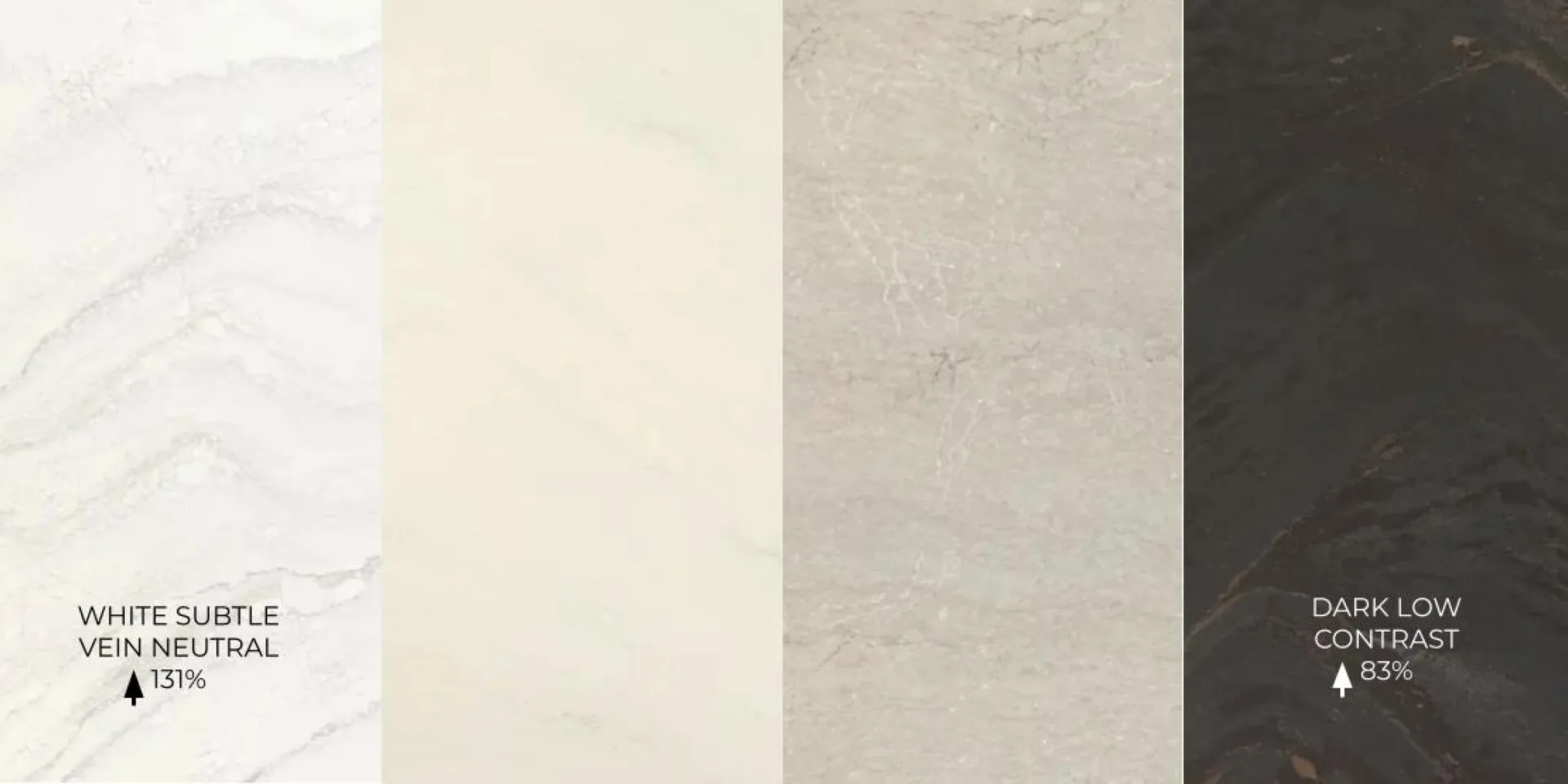
Four Shifts Changing How Buyers Think About Home
Across price points, regions, and styles, four distinct consumer behavior shifts are quietly reshaping what people want from the places they live.
1. Personalization Over Features
Buyers aren’t necessarily asking for more upgrades—they’re asking for homes that feel considered. Spaces that feel reflective of the people living in them, not just well-appointed. The desire is for intentionality, not inventory.
2. Safety and Comfort as a Core Need
Home has shifted from a place of stimulation to a place of restoration. In a world that already asks a lot of us, buyers are looking for interiors that give something back—spaces designed to regulate rather than excite.
3. Wellness Designed In, Not Added On
Wellness is no longer a category. It’s no longer a spa tub or a steam shower. It’s being woven into everyday life through layouts, materials, light quality, and spatial flow. The homes performing best in today’s market are the ones that reduce friction at every turn.
4. Intimate, Experiential Entertaining
Entertaining is making a comeback, but it looks different. More intimate, more layered, more considered. The open-for-everything great room is giving way to spaces that are curated for specific experiences and specific groups of people.
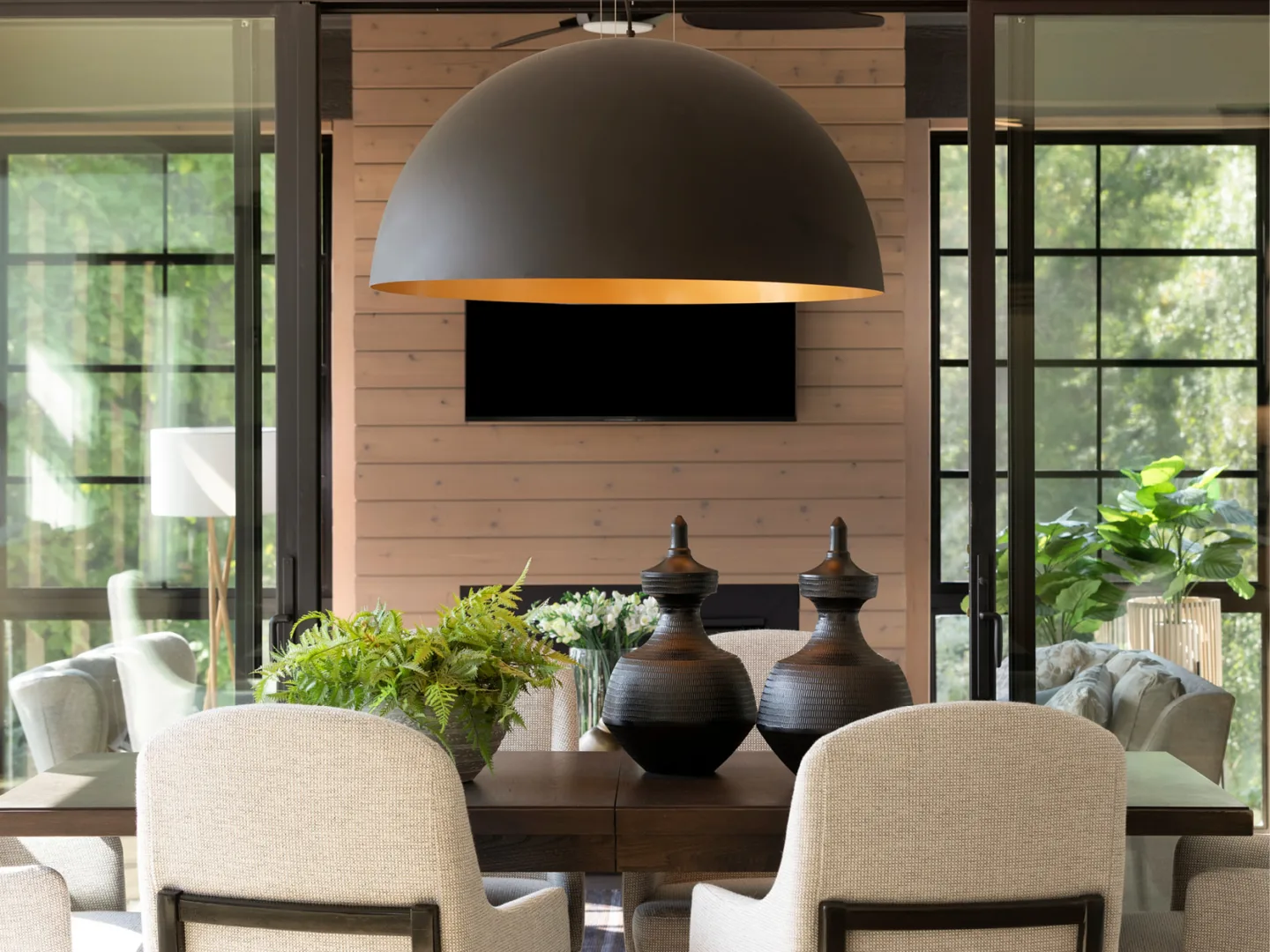
Why Your Kitchen Feels Effortless (Or Doesn’t)
Kitchens are doing more than they’ve ever done. They’re not just for cooking; they’re for working, gathering, decompressing, entertaining, and moving through the day in a dozen different ways simultaneously.
This is where the traditional kitchen work triangle starts to show its age. It was designed for efficiency in a single task. Today’s kitchen has to support multiple behaviors happening at the same time, often by multiple people with different needs.
What buyers are responding to now isn’t just function—it’s flow. Clear zones. Intuitive movement. Visual calm, even when the space is in full use.
The Kitchen as Behavior Hub
When a kitchen feels overwhelming, the culprit usually isn’t size—it’s that the behavior hasn’t been considered. Too many materials competing for attention. No clear zones for different activities. Movement patterns that create friction instead of easing it.
When the behavior is designed well, the kitchen feels effortless. It works overtime without looking like it. That’s what today’s buyers are trying to describe when they say a kitchen “just feels right.”
The kitchens performing best aren’t necessarily bigger—they’re smarter. Buyers can feel when a kitchen understands how their life actually works.
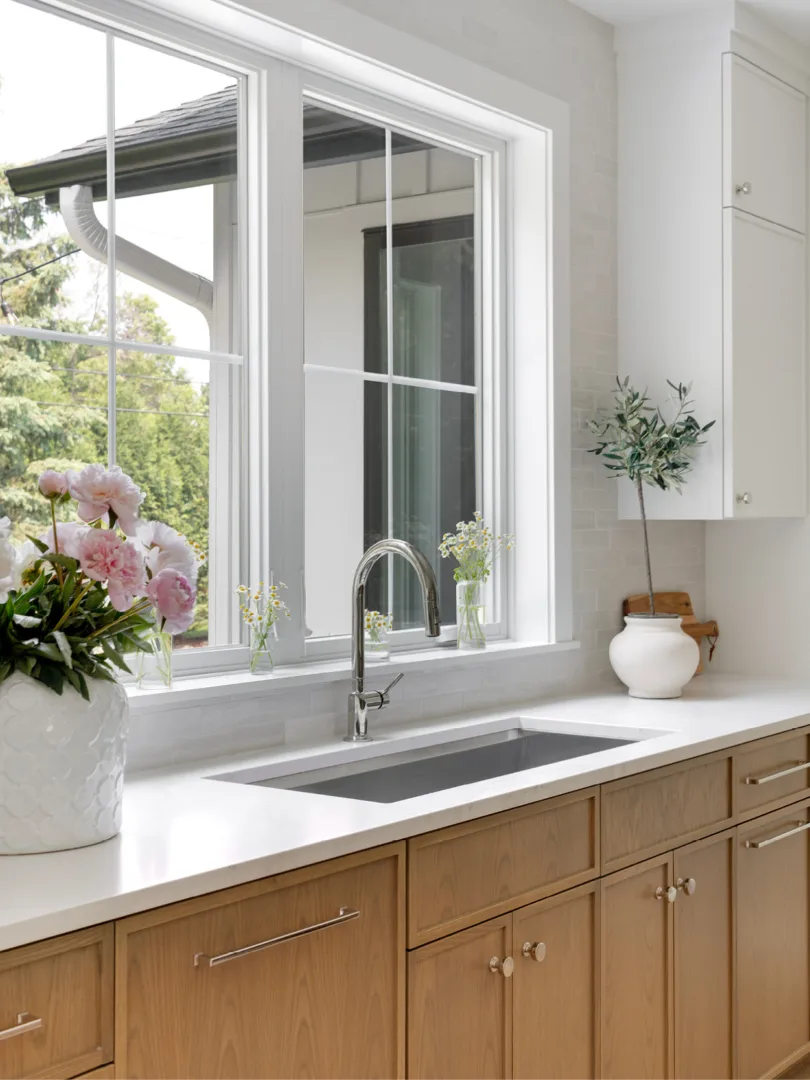
Style Movements to Know in 2026
Rich, Expressive Color Palettes
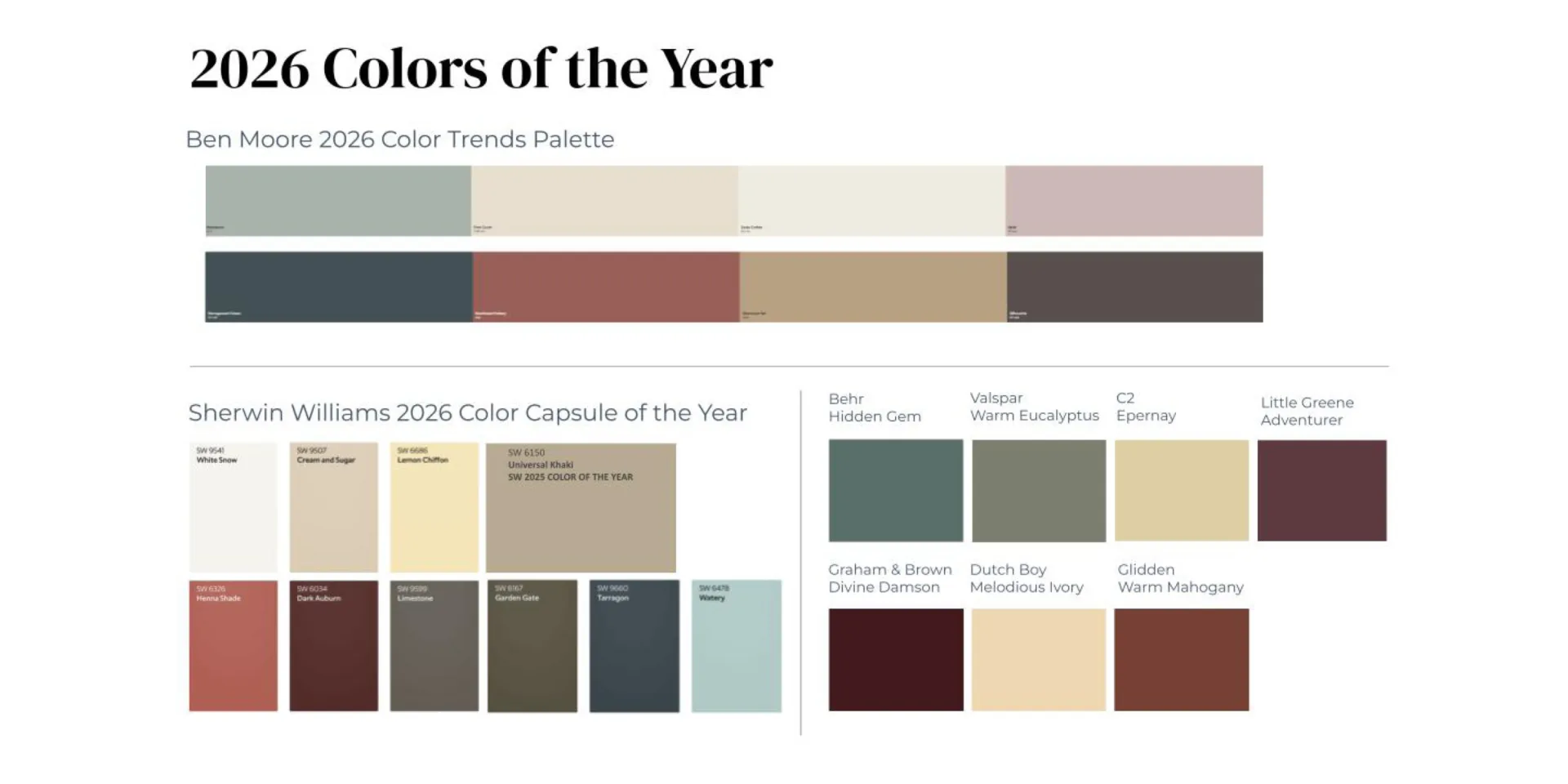
The era of safe, stay-neutral interiors is giving way to something more confident. Saturated, grounded color palettes are being used as backdrops rather than accents—creating depth, warmth, and a sense of enclosure that makes a space feel complete.
These aren’t bold-for-bold’s-sake choices. They’re colors with emotional resonance—spaces that feel layered, personal, and lived in. When color is used this way, it creates quiet luxury. The room feels finished. More importantly, it feels like it belongs to someone.
These palettes don’t shout. They envelop.
Heritage Maximalism
One of the most compelling emerging aesthetics is Heritage Maximalism—a soulful marriage of traditional craftsmanship and expressive layering. It’s the “old meets new” approach that prioritizes storytelling and personal identity over minimalist restraint.
Think reimagined archival prints, vintage elements, and classic motifs like florals and toiles—updated with bold modern scales and richer, more saturated colors. The result is spaces that feel timeless, textured, and deeply significant rather than simply cluttered. It transcends nostalgia to become something more intentional: a home that tells a story.
Defined Spaces and Purposeful Boundaries
The open-plan era isn’t over—but it’s being edited. Homes are now being designed with intimate, purpose-driven spaces at their core. Boundaries that enhance function without sacrificing style. Rooms that know what they’re for.
This is the functional translation of everything discussed above: neuroaesthetics, sensorial design, and nervous system-aware planning all converging into spaces that work harder for the people inside them.
The Bottom Line for Homebuyers
Wellness is no longer a feature. It’s not a separate room, a special product, or an upgrade tier. It’s an expectation. Buyers now assume their home will support how they want to feel: calmer, healthier, more balanced, without having to consciously think about it.
Wellness is being designed into everyday moments, and the best homes being built right now are the ones that were designed with that feeling in mind from the very beginning.
PRESENTED BY SUMMER KATH, CAMBRIA
The insights in this post are drawn from a Kitchen and Bath presentation by Summer Kath of Cambria, hosted at our showroom this summer. Cambria is a family-owned American company and the leading manufacturer of natural quartz surfaces, known for their design-forward materials and deep investment in the future of home interiors.